
Subscribe to Our Newsletter
Join our community and stay updated.

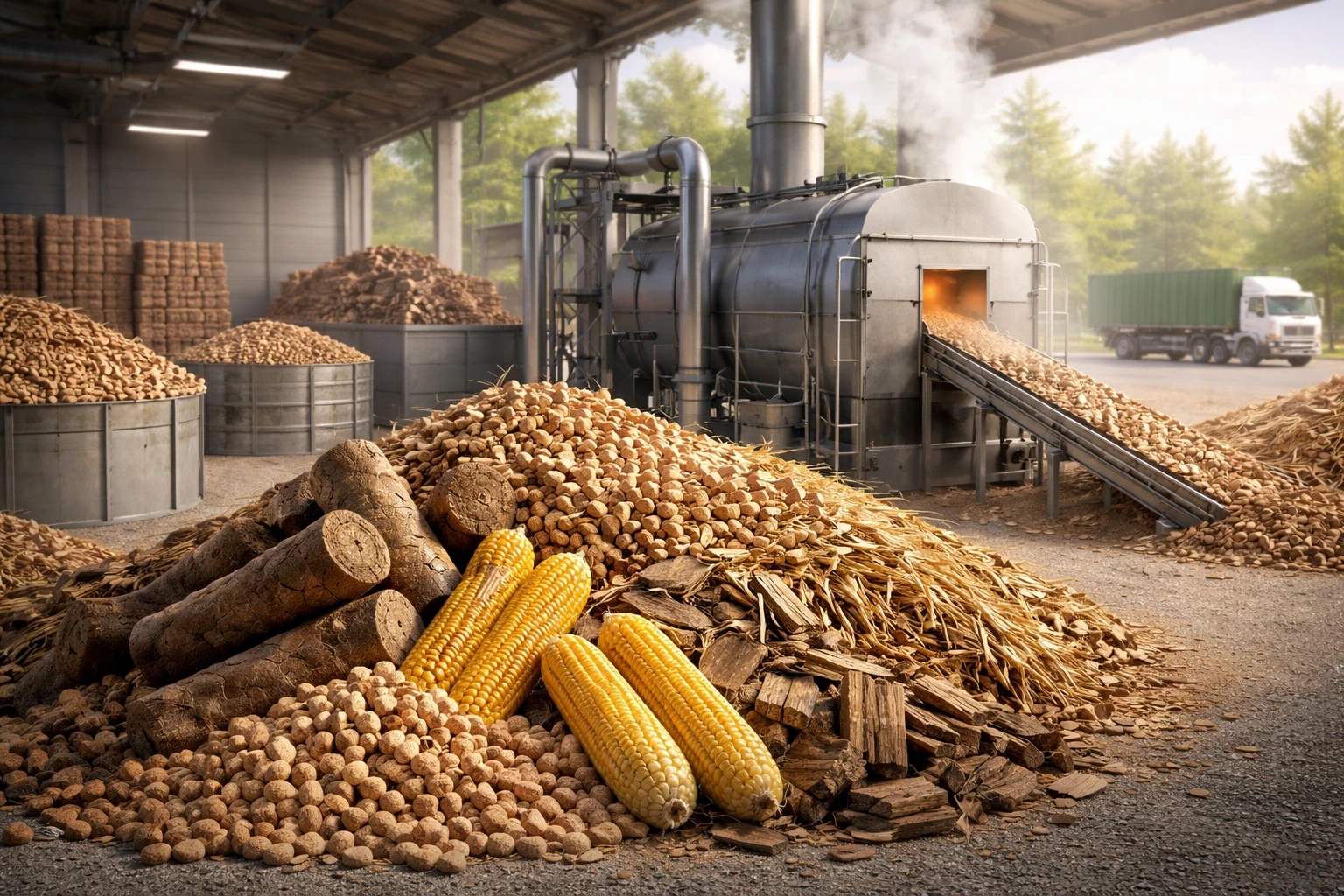
Biomass is widely used as a renewable source of energy across industries and regions. It is derived from organic materials such as agricultural residues, wood waste, and other plant-based matter. While biomass plays an important role in energy generation, it is not without limitations.
Understanding both the advantages and disadvantages of using biomass helps decision-makers choose where and how it fits best within an energy system. This article explains the key benefits and challenges of using biomass for energy in a practical and straightforward way.
Biomass offers several practical benefits as an energy source, particularly where organic materials are easily available and energy demand is consistent.
Biomass comes from organic materials that can be replenished over time through natural processes and agricultural activity. Unlike fossil fuels, which take millions of years to form, biomass resources can be continuously produced when managed properly.
One major advantage of biomass is its ability to make use of materials that might otherwise be discarded. Crop residues, wood waste, and organic by-products from industries can be converted into energy, reducing waste while supporting energy production.
Biomass is commonly used in industries that require steady heat or steam. Manufacturing units, food processing plants, and textile facilities often use biomass-fired boilers to meet daily energy needs.
In many regions, biomass materials are available locally. Agricultural areas, in particular, generate large quantities of biomass resources. Local sourcing can reduce dependence on imported fuels and support regional supply chains.
Many energy systems can be adapted to use biomass without complete infrastructure changes. Boilers and power plants designed for solid fuels can often be modified to accommodate biomass, making adoption more practical in certain cases.
To understand more about how biomass is defined and used for heat and power generation, read “What is Biomass and What is It Used For?” on our blog.
While biomass is widely used for energy, it also presents certain limitations that need to be considered during planning and implementation.
Compared to fossil fuels, biomass has a lower energy density. This means larger quantities of biomass are required to produce the same amount of energy, which can increase fuel handling and storage requirements.
Biomass materials often contain moisture and require proper storage conditions. Poor storage can lead to degradation, reduced energy output, or supply losses. Transporting large volumes of biomass can also add logistical complexity.
Burning biomass releases emissions, including particulate matter and gases. While these emissions can be controlled with proper technology, they still need to be managed carefully to meet environmental and regulatory standards.
When biomass is sourced from energy crops, land use must be planned carefully. If not managed properly, energy crop cultivation may compete with food production or strain local resources.
The availability of biomass can vary depending on seasons and agricultural cycles. This variability may affect fuel supply consistency, particularly for facilities that rely on a single type of biomass resource.
Biomass works best in situations where organic materials are readily available and energy demand is steady. Industries located near agricultural regions or wood-processing centers often find biomass to be a practical energy source. Its effectiveness depends on supply planning, storage management, and the specific energy needs of the user.
Biomass offers a reliable way to convert organic materials into usable energy, especially in regions with strong agricultural or industrial activity. At the same time, it comes with challenges related to fuel volume, storage, emissions, and supply consistency. Understanding the advantages and disadvantages of using biomass helps businesses and policymakers determine where it fits best within their energy mix. When sourcing, handling, and application are planned properly, biomass can serve as a dependable energy solution.
Suppliers such as Edhas Biofuel support this process by enabling industries to access suitable biomass fuels and implement them responsibly within existing energy systems.
Biomass is renewable, makes use of agricultural and industrial waste, and can provide consistent energy for industrial and commercial needs.
Biomass has lower energy density than fossil fuels, requires proper storage and transport, and can produce emissions that need to be managed.
Biomass is most effective in industries near agricultural regions or waste sources, and where energy demand is steady and predictable.
Yes, many boilers and energy systems designed for solid fuels can be adapted to use biomass with minimal changes.
When managed properly, biomass can provide a consistent and renewable source of energy for heat, electricity, and industrial processes.

Get the latest updates on renewable energy, sustainability trends, and our initiatives delivered straight to your inbox.